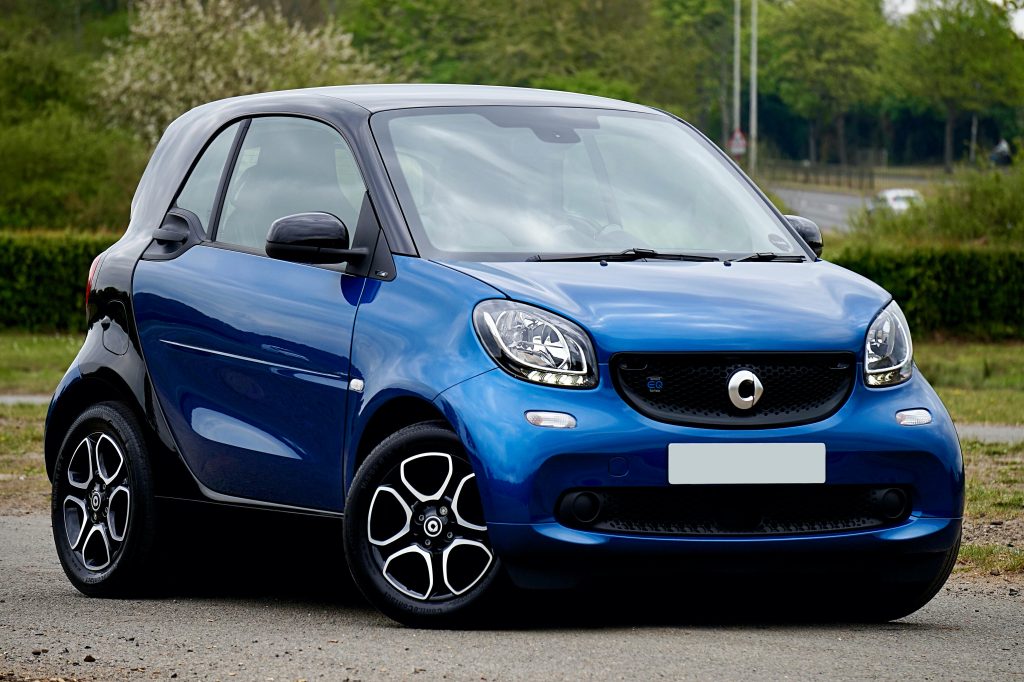
The UK used-car market is entering an important correction phase, as falling second hand EV prices in 2026 reshape demand for electric vehicles. After years of rapid growth, a surge in supply, reduced new-car prices and shifting consumer confidence are pushing used EV values down. For UK buyers, the trend is good news. For dealerships, fleets and leasing companies, it signals a year of tighter margins and adjusted expectations.
The biggest driver of price decline is supply. Thousands of electric vehicles first registered in 2020–2022—when company car tax incentives and corporate electrification surged—are now returning to the used market. These ex-fleet and ex-lease vehicles typically arrive in high volumes, creating strong downward pressure on prices as dealers adjust stock more aggressively.
Manufacturers have been cutting new-EV prices to maintain competitiveness, particularly as Chinese brands enter the UK and as production costs fall. Affordable models from BYD, MG and GWM Ora have influenced the whole market, making used EVs appear less attractive at older price points.
Additionally, although the UK no longer offers the Plug-in Car Grant, targeted grants remain for vans, taxis and charging infrastructure, improving the economics of going electric for many businesses. Lower lifetime costs encourage more shoppers to consider new EVs — which indirectly softens used EV demand.
Between 2021 and early 2023, used vehicle prices—electric or otherwise—hit historically high levels due to supply shortages. As supply chains stabilised, residual values began to “reset.” Electric vehicles, which depreciate differently from petrol and diesel models, are seeing the sharpest correction.
Batteries last longer than many early buyers expected, which is good news long-term, but it also means the market is adjusting to more realistic pricing.
While EV adoption continues to rise, UK consumers remain focused on charging availability. Rural and suburban drivers in particular continue to cite lack of public charge points as a barrier. High energy costs during 2023–2024 also dented confidence.
Though electricity prices have since stabilised, the sentiment shift lingers, and that affects the pace at which used EVs sell versus petrol or hybrid cars.
For anyone considering an electric car, 2026 is shaping up to be an excellent year to buy. Falling prices translate into significantly lower entry points, with many three- to four-year-old EVs now priced competitively against petrol equivalents.
Buyers benefit from:
The key is to compare whole-life cost. While some used EVs may depreciate quickly, their fuel and maintenance savings often compensate.
Dealers and fleet operators face tougher trading conditions. Stock purchased at 2022–2023 prices may now be worth far less. To remain competitive:
Most analysts expect a continued but more gradual softening through 2026, with stabilisation likely in late 2026 or early 2027. Several factors will shape the trajectory:
However, long-term demand remains strong, and once the bulk of early fleet EVs have passed through the market, supply may tighten again.
Falling second hand EV prices in 2026 mark a maturing market in the UK. As supply increases and new EV prices fall, used values naturally correct. For buyers, the shift creates unprecedented opportunities to enter the EV market affordably. For sellers and fleets, it emphasises smarter pricing, transparency and timing.
The direction of travel is clear: UK EV adoption will continue, but 2026 is the year the used market finds its new balance.