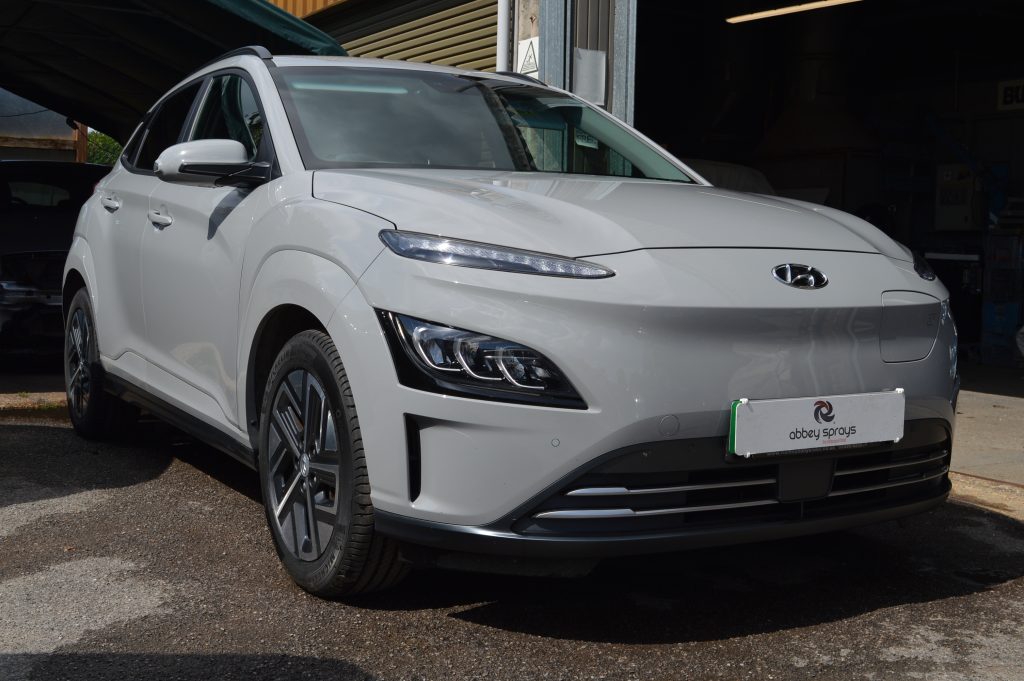
Choosing the right car colour is one of the hardest decisions to make. Car colour can influence resale value, maintenance requirements, and overall appeal. According to the latest data from the Society of Motor Manufacturers and Traders (SMMT), British motorists continue to favour practical and timeless shades, although there are clear signs that more colourful options are gaining popularity once again. This article explores the top 10 most popular car colours in the UK, supported by official statistics, and explains what these trends mean for car owners and automotive businesses.
Grey remains the most popular car colour in the UK for the eighth consecutive year. In the most recent reporting period, 27.6% of all new cars registered, equating to over 558,000 vehicles, were finished in grey. Drivers favour grey because it looks modern, suits almost every vehicle type, and hides everyday dirt and light scratches better than darker colours. Grey’s strong resale performance also makes it a safe long-term choice for buyers.
Black ranks as the second most popular car colour in the UK, accounting for around 23% of new registrations, or approximately 464,000 vehicles. It is particularly popular on executive, premium, and luxury cars. Although black paint shows dust and swirl marks more easily, its timeless appearance continues to attract buyers.
Blue is the most popular non-neutral car colour in the UK. With around 306,000 new registrations, it holds a strong third place overall. Blue offers variety without appearing too bold, making it appealing to a wide audience. From deep navy shades to vibrant metallic blues, it provides personality while remaining mainstream.
White remains a common sight on UK roads and sits comfortably in fourth place. While its overall market share has declined slightly in recent years, white is still widely used for fleet and commercial vehicles due to its clean appearance, affordability, and visibility. However, motorists do find themselves having to commit to a regular cleaning schedule.
Silver has returned to the top five for the first time in nearly a decade, with over 127,000 new registrations. Once the dominant car colour in the early 2000s, silver is valued for its ability to hide scratches, swirl marks, and road grime. These practical benefits have helped drive its renewed popularity.
Red cars account for a smaller share of the UK market, with approximately 4–5% of new registrations. While red is often associated with sporty and performance-focused models, its popularity has declined as buyers increasingly choose neutral tones. Despite this, red remains a popular choice for drivers seeking a dynamic appearance.
Green has seen one of the most notable increases in recent years. Nearly 100,000 green cars were registered, marking the highest figure for this colour in more than 20 years. This rise is closely linked to the growth of electric and hybrid vehicles, where green is often associated with sustainability and environmental awareness.
Yellow remains a rare choice, accounting for around 2% of new car registrations. Buyers who choose yellow often want their car to stand out from the crowd. While not a mainstream option, yellow adds visual diversity to the UK car market.
Orange continues to be a niche car colour, with approximately 1–2% of registrations. It is most commonly seen on sporty or limited-edition models. Its bold appearance appeals to a small but enthusiastic group of buyers.
Bronze and mauve-toned finishes complete the top ten, accounting for less than 1% of new registrations. Although rare, these colours appeal to drivers looking for something different from traditional neutral shades.
The most popular car colours in the UK remain grey, black, and white, together accounting for well over half of all new car registrations. However, the growing popularity of blue and green suggests that UK buyers are becoming more open to colour, particularly as electric vehicles become more common. Understanding these colour trends can help car owners, dealers, and automotive businesses make more informed decisions.
Sources: Society of Motor Manufacturers and Traders (SMMT), RAC, Auto Express, Bodyshop Magazine